


IDEA IDEA IDEA IDEA IDEA
IDEA IDEA IDEA IDEA IDEA
IDEA IDEA IDEA IDEA IDEA
IDEA IDEA IDEA IDEA IDEA
NOSFORO IS A SPACE WHERE EVERY IMAGE IS BORN FROM ATTENTION. EVERY ELEMENT MATTERS. NOTHING IS ACCIDENTAL. EVERYTHING IS A CONSCIOUS CHOICE. ANIMATION IS TREATED AS A STORY. THE CAMERA GUIDES THE EYE, THE FORM BUILDS TENSION, AND THE LIGHT DEFINES EMOTION AND CHARACTER. AESTHETICS ARE NOT AN ADDITION, BUT A FOUNDATION. NOSFORO IS AN INVESTMENT IN YOUR BRAND
WHAT IS CREATED AT NOSFORO?
WHAT IS CREATED AT NOSFORO?
CO POWSTAJE W NOSFORO?
CO POWSTAJE W NOSFORO?
product animation
- #consumer electronics
- #household appliances
- #home electronics
- #lifestyle
- #beauty
- #there's no limit
LIGHT AND MOTION BRING OUT WHAT IS MOST ATTRACTIVE IN THE PRODUCT. ANIMATIONS NOT ONLY PRESENT THE PRODUCT BUT ALSO BUILD DESIRE AROUND IT, ENHANCE THE BRAND IMAGE AND SUPPORT PURCHASE DECISIONS.

Commercial animations
- #fooh
- #dooh
- #naked eye
- #branding
- #communication
- #social media
THEY ARE DESIGNED FOR MAXIMUM VISUAL IMPACT AND IMMEDIATE ATTENTION GRABBING. THESE FORMS HELP BUILD BRAND RECOGNITION AND MAKE IT STAND OUT IN A CROWD OF MESSAGES.

Stage visuals
- #concerts
- #events
- #festivals
- #stage
- #music
- #audiovisual
STAGE VISUALS ARE DESIGNED TO BUILD ATMOSPHERE AND AMPLIFY EMOTION. THEY ARE VISUAL NARRATIVES THAT HIGHLIGHT THE CHARACTER OF THE EVENT, GIVE IT A UNIQUE IDENTITY, AND ADD AN EXTRA LAYER OF MEANING.

What your
brand gains?
STANDING OUT IN A CROWD OF CONTENT
In a world overloaded with messages, static visuals often fall short. A dynamic 3D animation grabs attention in the first few seconds and keeps the audience engaged longer. It provides a real advantage in social media, outdoor campaigns, and digital communication.
BUILDING A PREMIUM IMAGE
Visual quality directly shapes how a brand is perceived. Carefully crafted lighting, materials, and details create a professional, modern, and aspirational image. This is especially important in industries where aesthetics and first impressions drive purchasing decisions.
INCREASING BRAND RECOGNITION
A consistent and distinctive visual identity helps a brand stay memorable. Product animations, key visuals, and FOOH campaigns strengthen recognition and build strong associations with the brand. This makes communication more coherent and instantly recognizable.
UNLIMITED ADVANTAGE
Not every product can be effectively showcased through traditional photography. Animation allows revealing interiors, mechanisms, material textures, or details invisible to the naked eye. This helps the audience quickly understand the product’s value. 3D animation provides full control over the environment, lighting, and set design without physical limitations. It also enables faster adjustments and more efficient budget management.
Attention Through CONSISTENT COMMUNICATION
When a brand uses different styles and aesthetics, its message can become chaotic. Animation based on a clearly defined visual direction organizes communication and gives it character. Consistency builds trust and reinforces a professional perception.
The Creative Process
Brief
A discussion about the idea, product, brand, project goals, and target audience. The brand’s needs, aesthetic expectations, and the context for using the animation are reviewed. Clear agreements help plan the timeline, anticipate potential challenges, and choose the most effective production solutions.
Moodboard
Based on the collected information, a moodboard and storyboard are prepared to define the visual direction, atmosphere, and style of the animation. This stage clearly presents inspirations, color palette, lighting, and the overall aesthetic of the project. It also allows for preliminary decisions on camera movements and framing. This ensures that expectations can be refined and adjustments made before the production phase begins.
animatic
The animatic allows the structure, timing, framing, and narrative of the animation to be seen in a simplified form. At this stage, key decisions regarding pacing and storytelling are discussed, giving full control over the direction of the project. All feedback is addressed in real time to ensure the final production aligns completely with the initial vision.
Polishing and Revisions
Refining details such as materials, lighting, simulations, and motion fluidity. Regular communication ensures that key visual elements are reviewed and discussed. Revisions are handled transparently, considering their impact on both the visual effect and the production process.
render
The final render is prepared in agreed formats and technical specifications, tailored to the intended display or platform. The completed materials are delivered fully ready for publication.
FEATURED
WORK
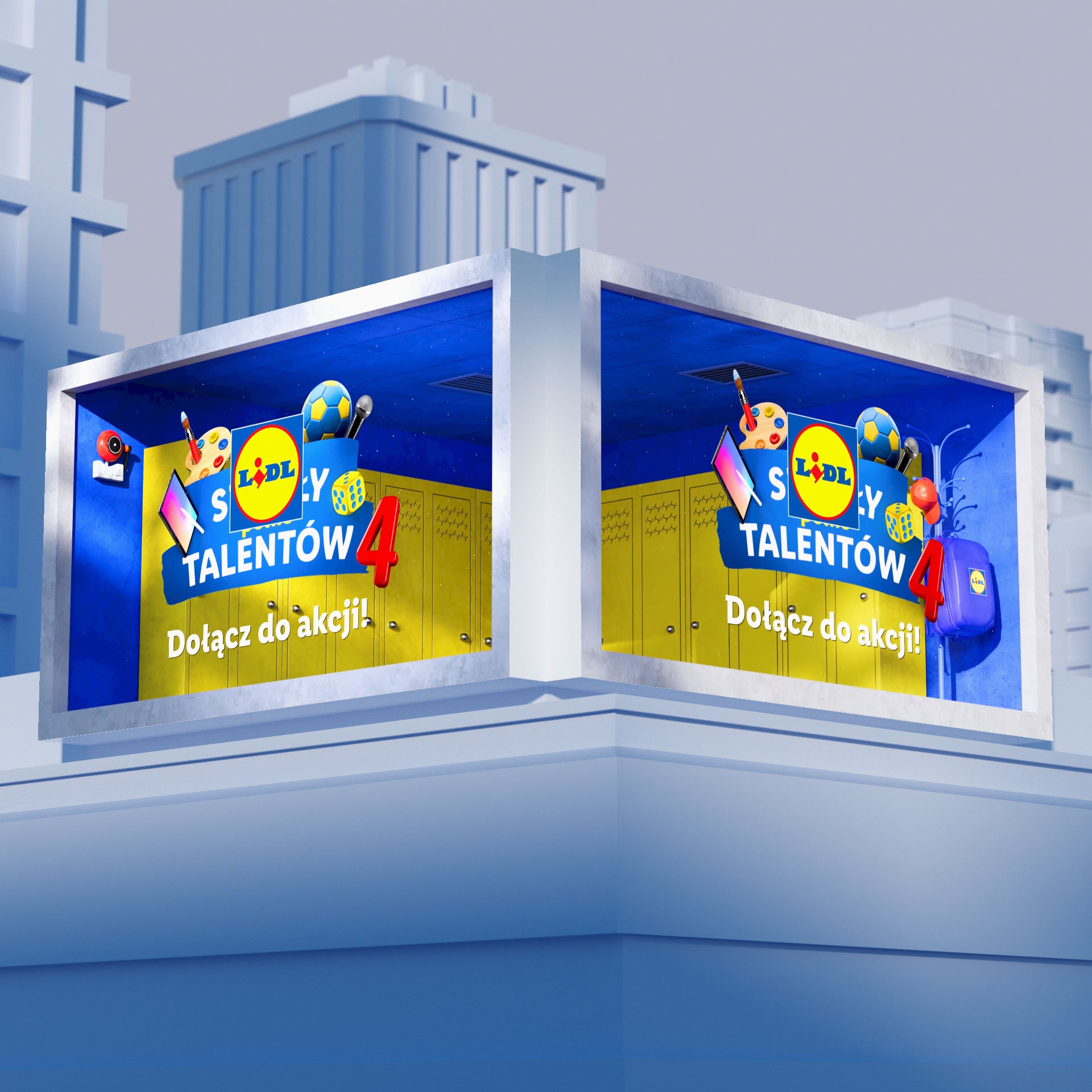
LIDL [Naked Eye]
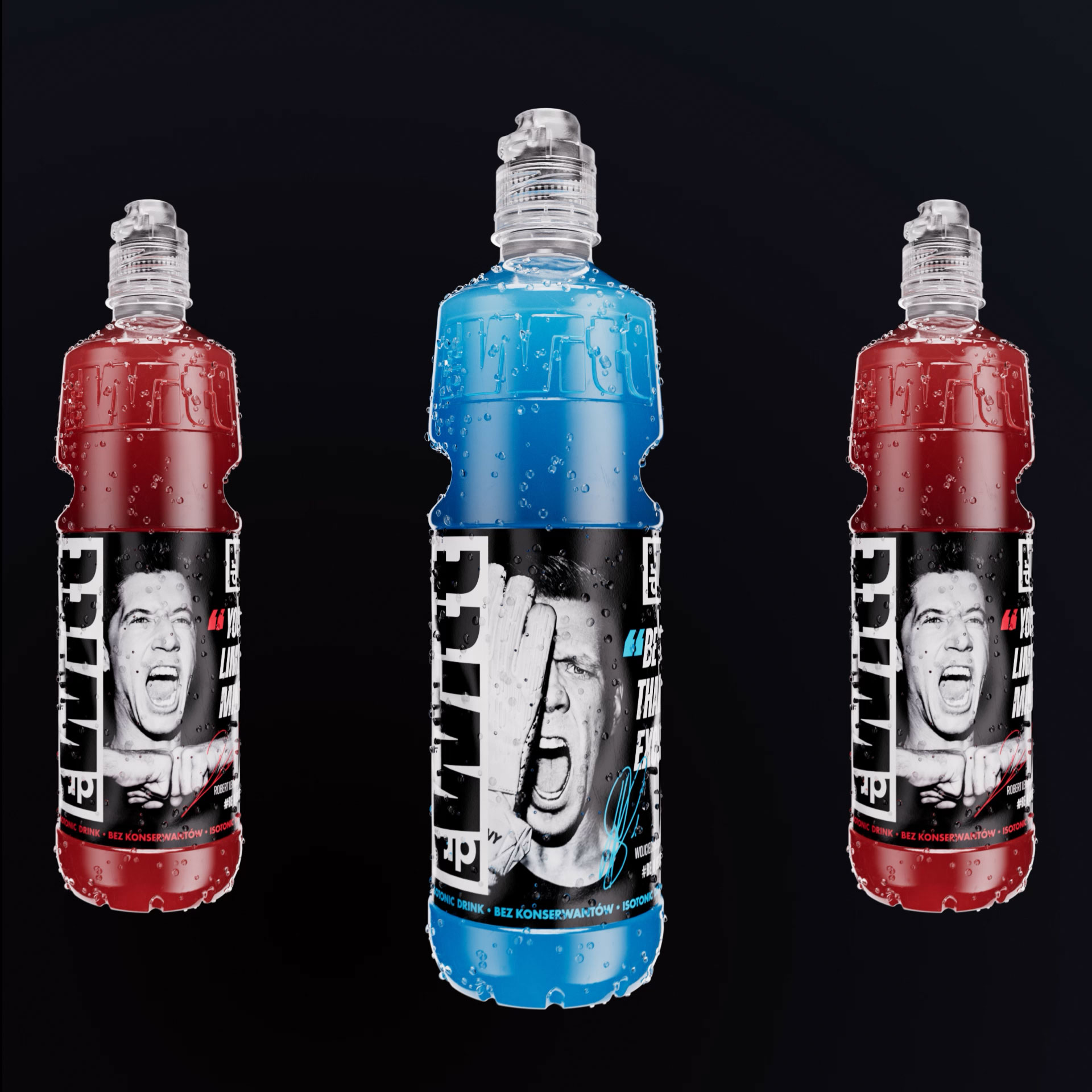
DR WITT
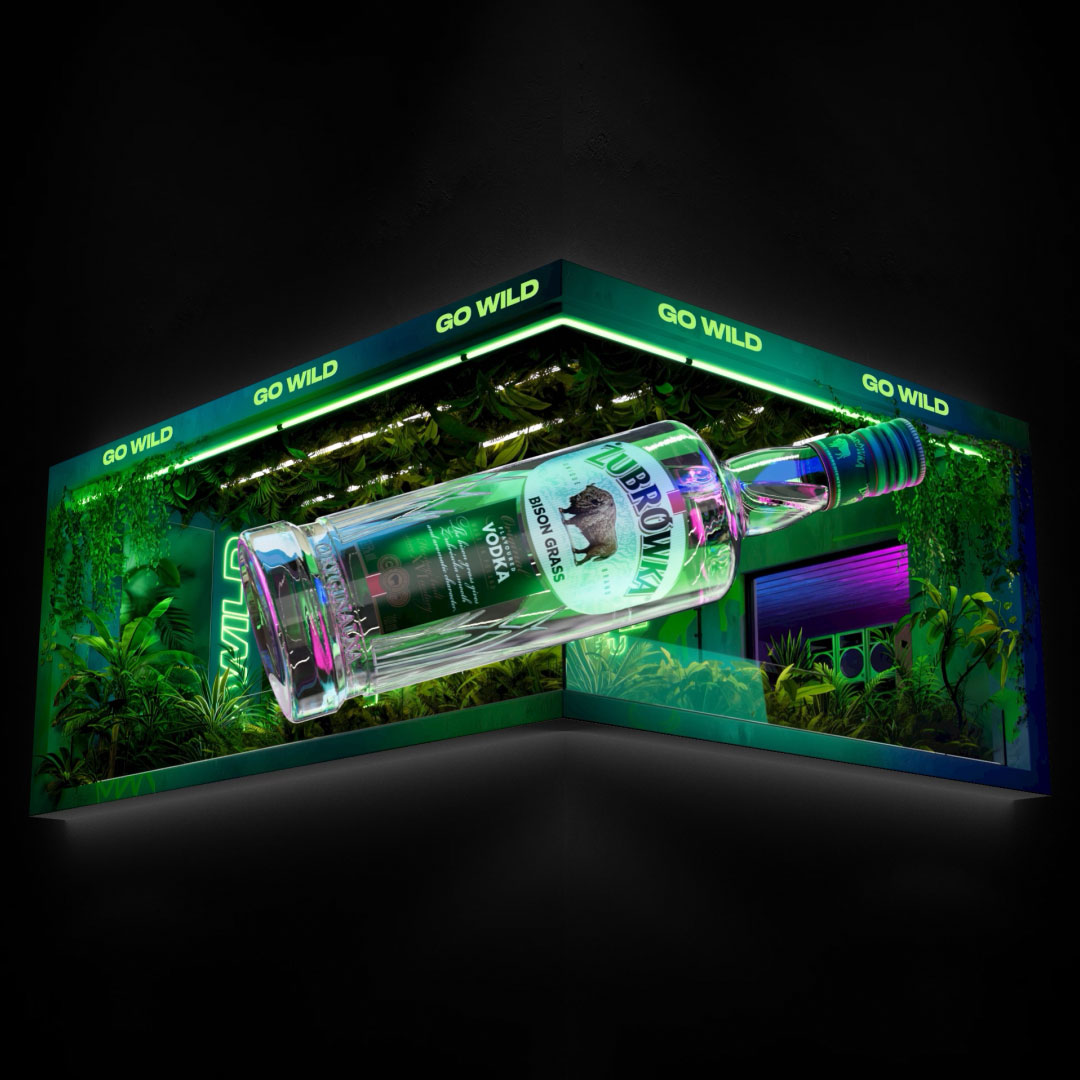
ŻUBRÓWKA [Naked Eye]
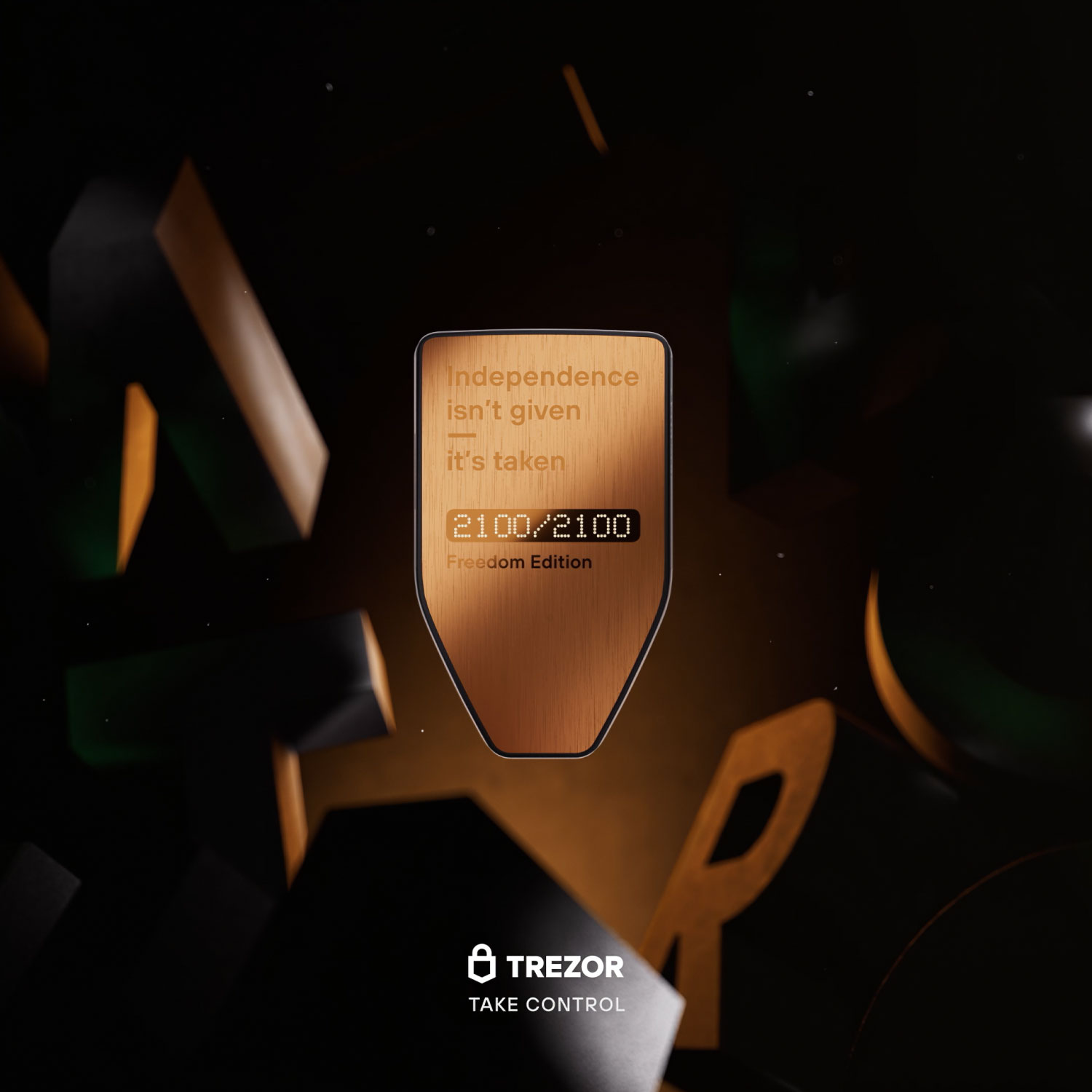
TREZOR
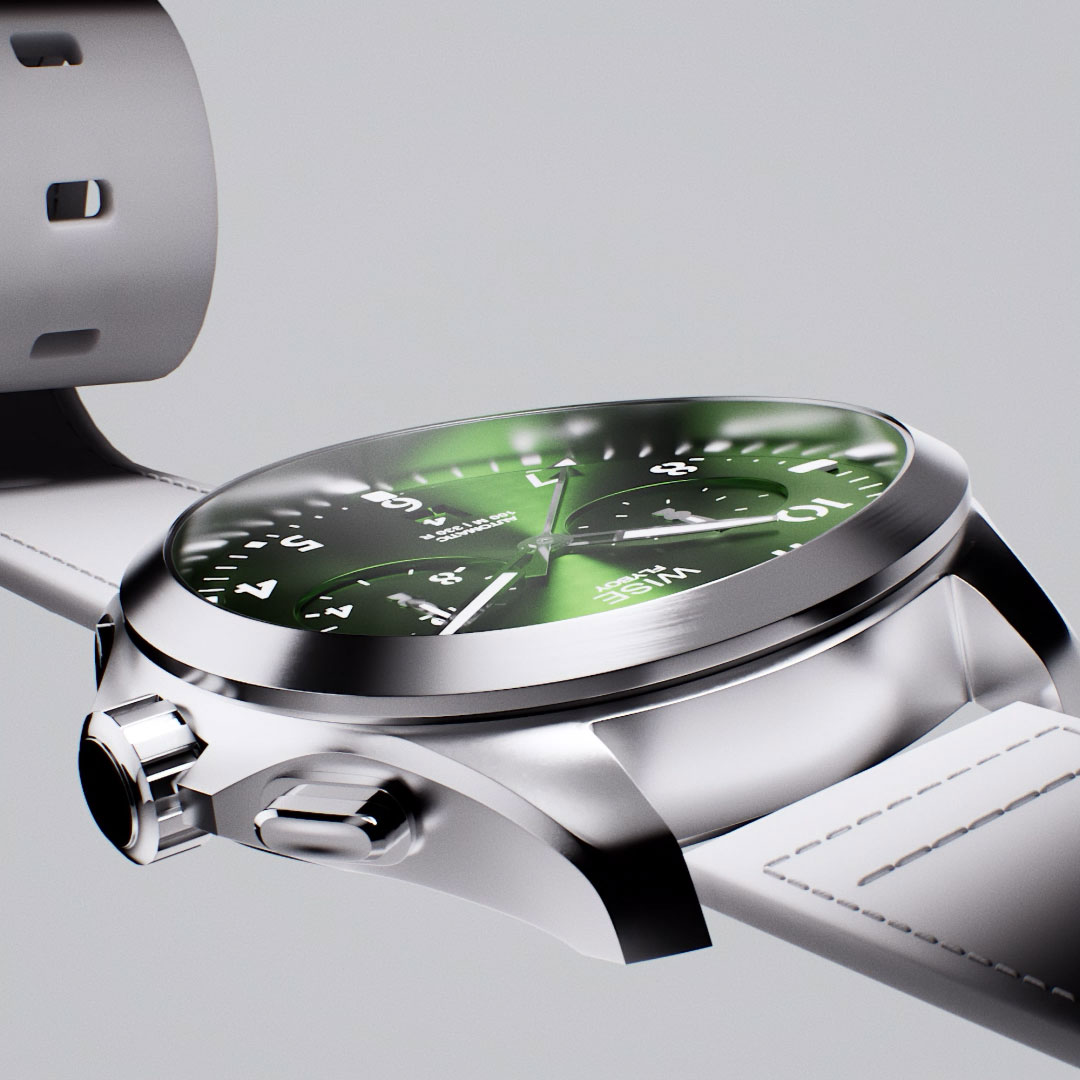
FLYBOY WATCH
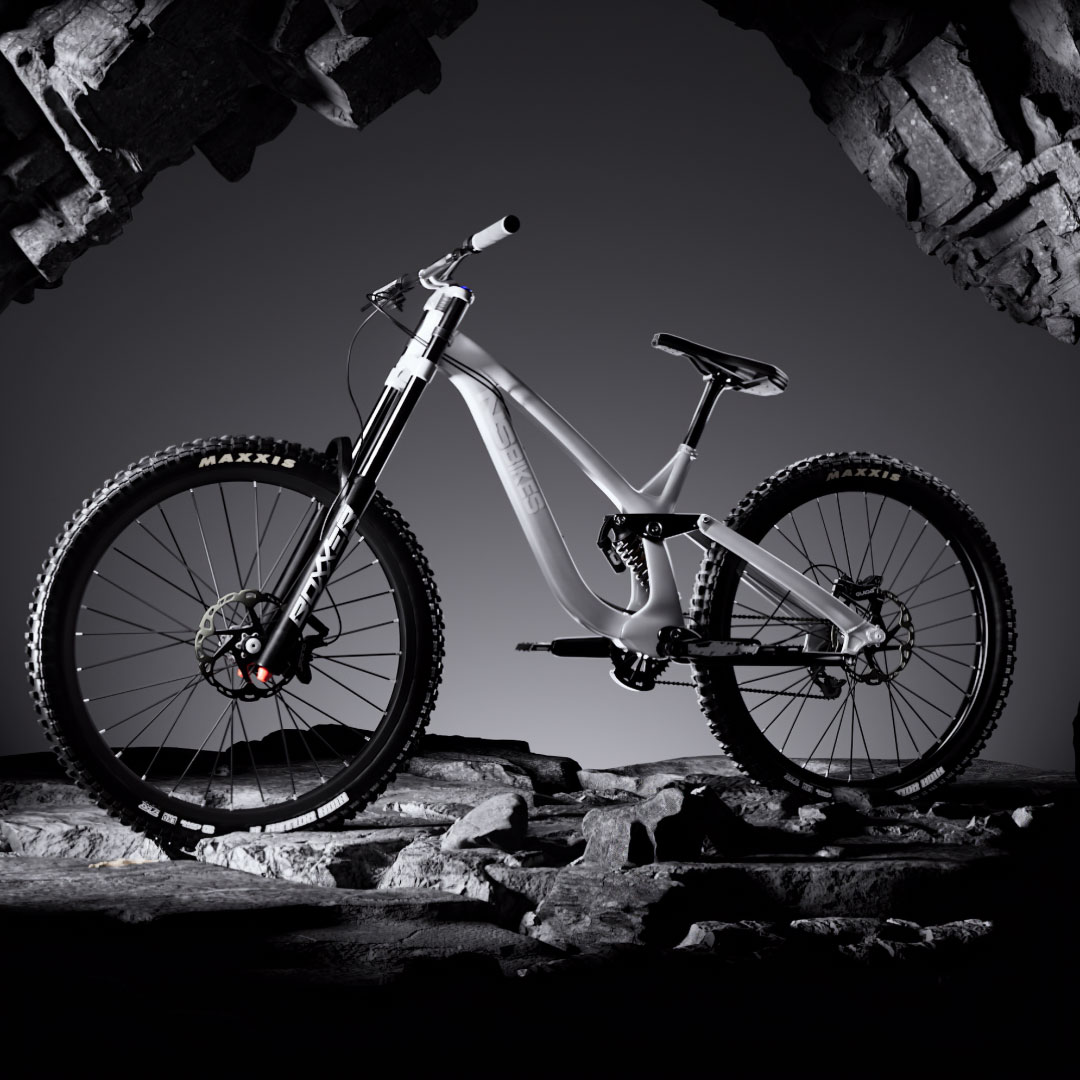
MOUNTAIN BIKE
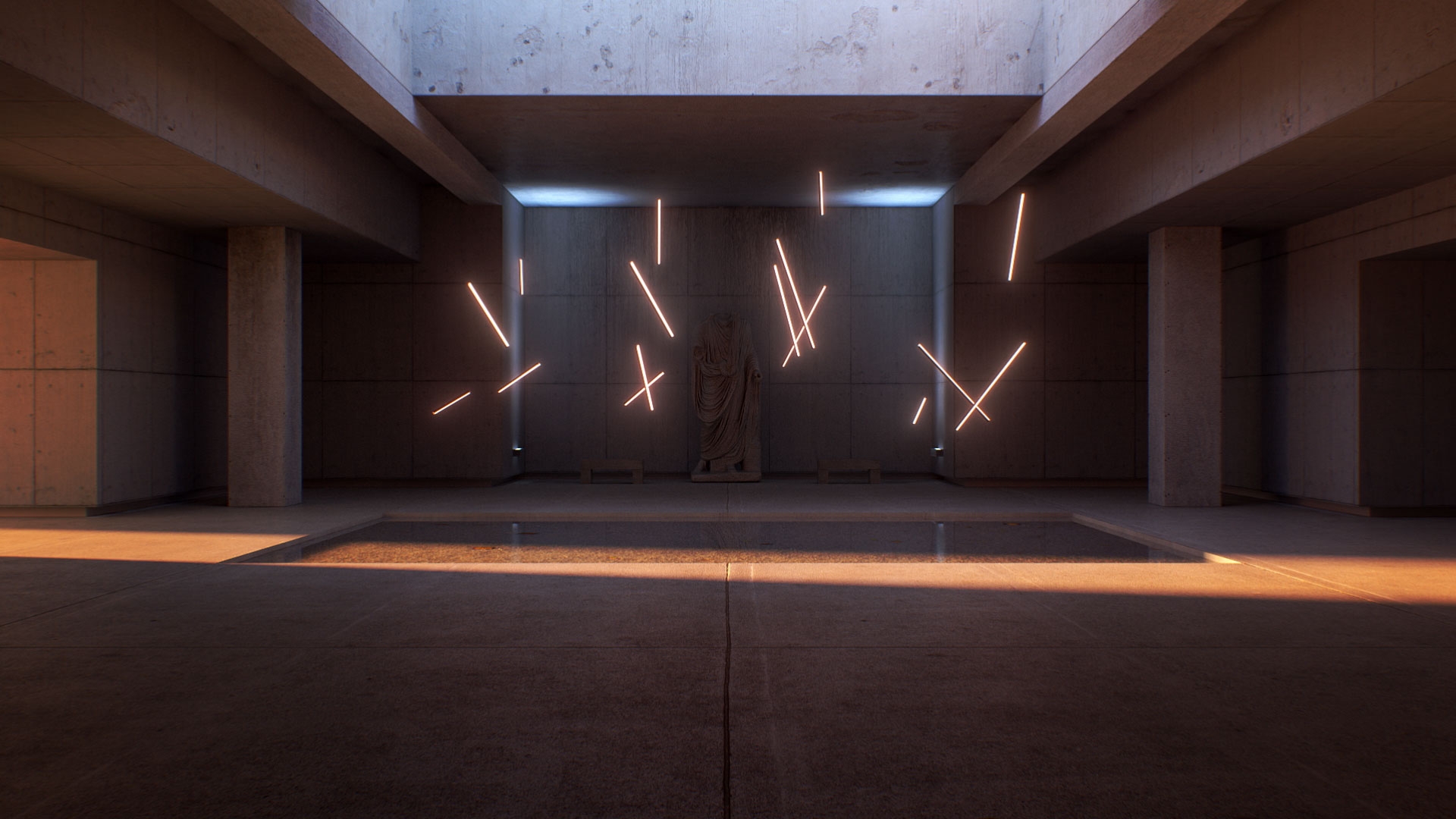
FOS DESIGN
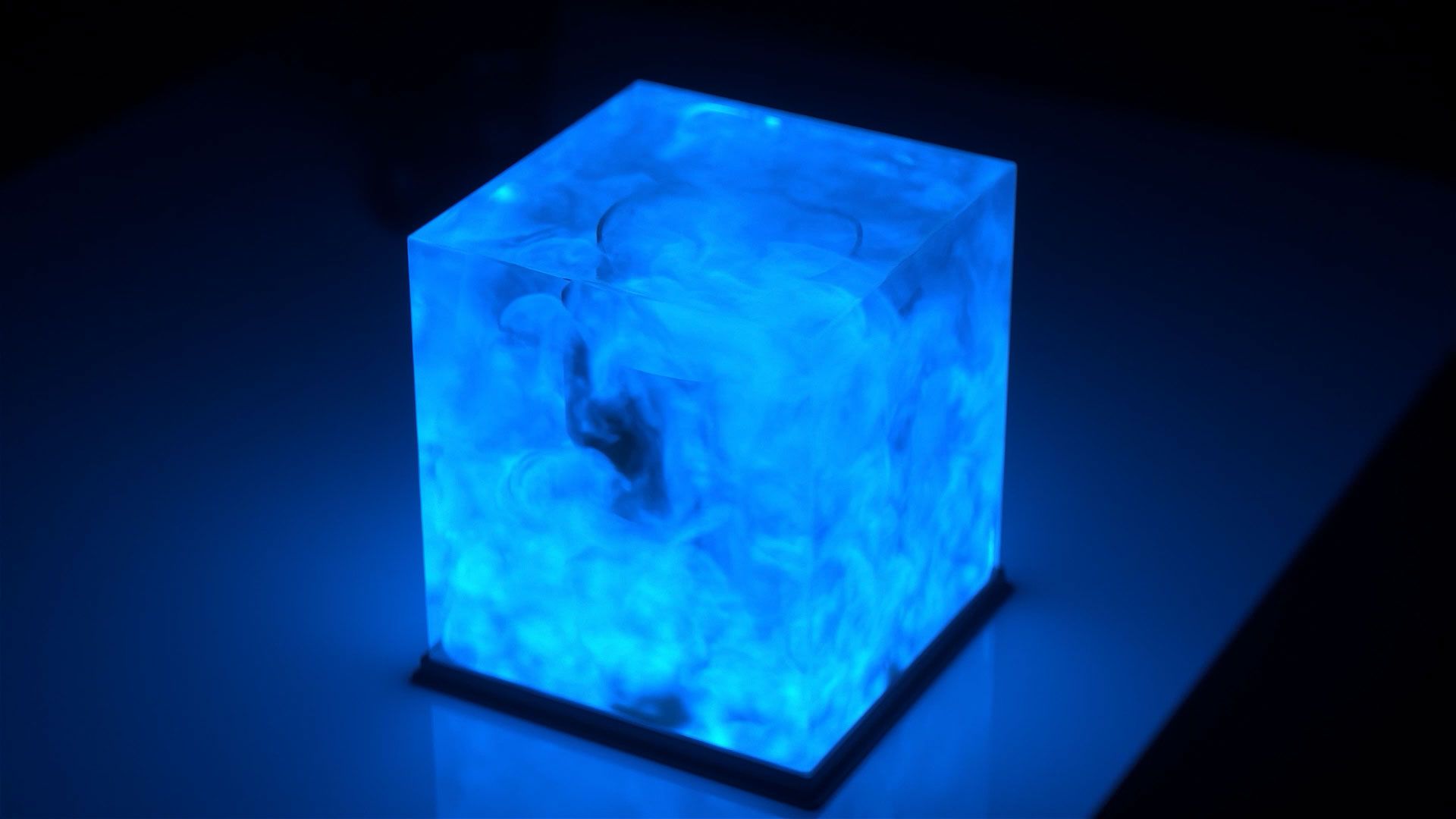
IRIX LENS
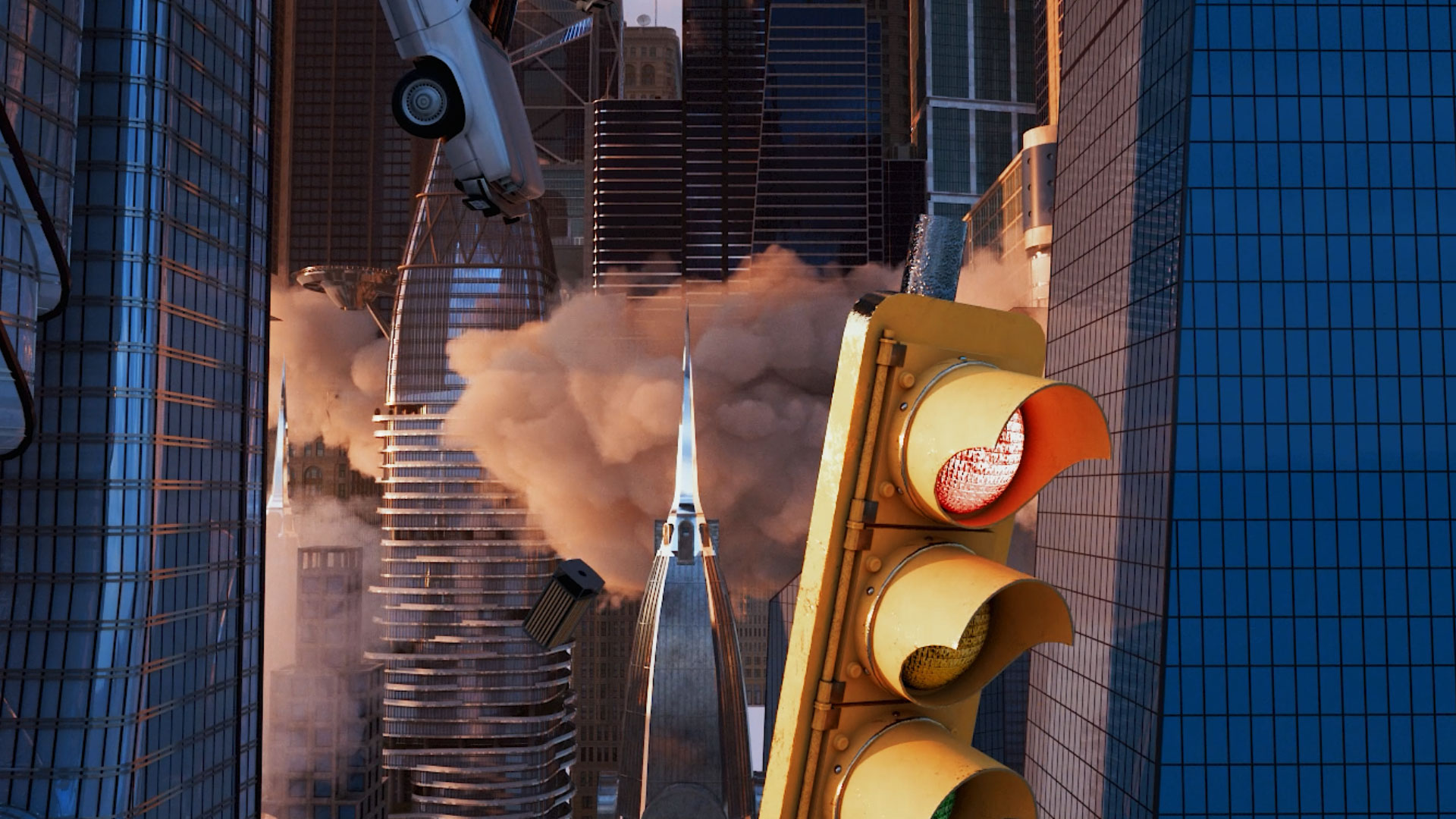
MĘSKIE GRANIE
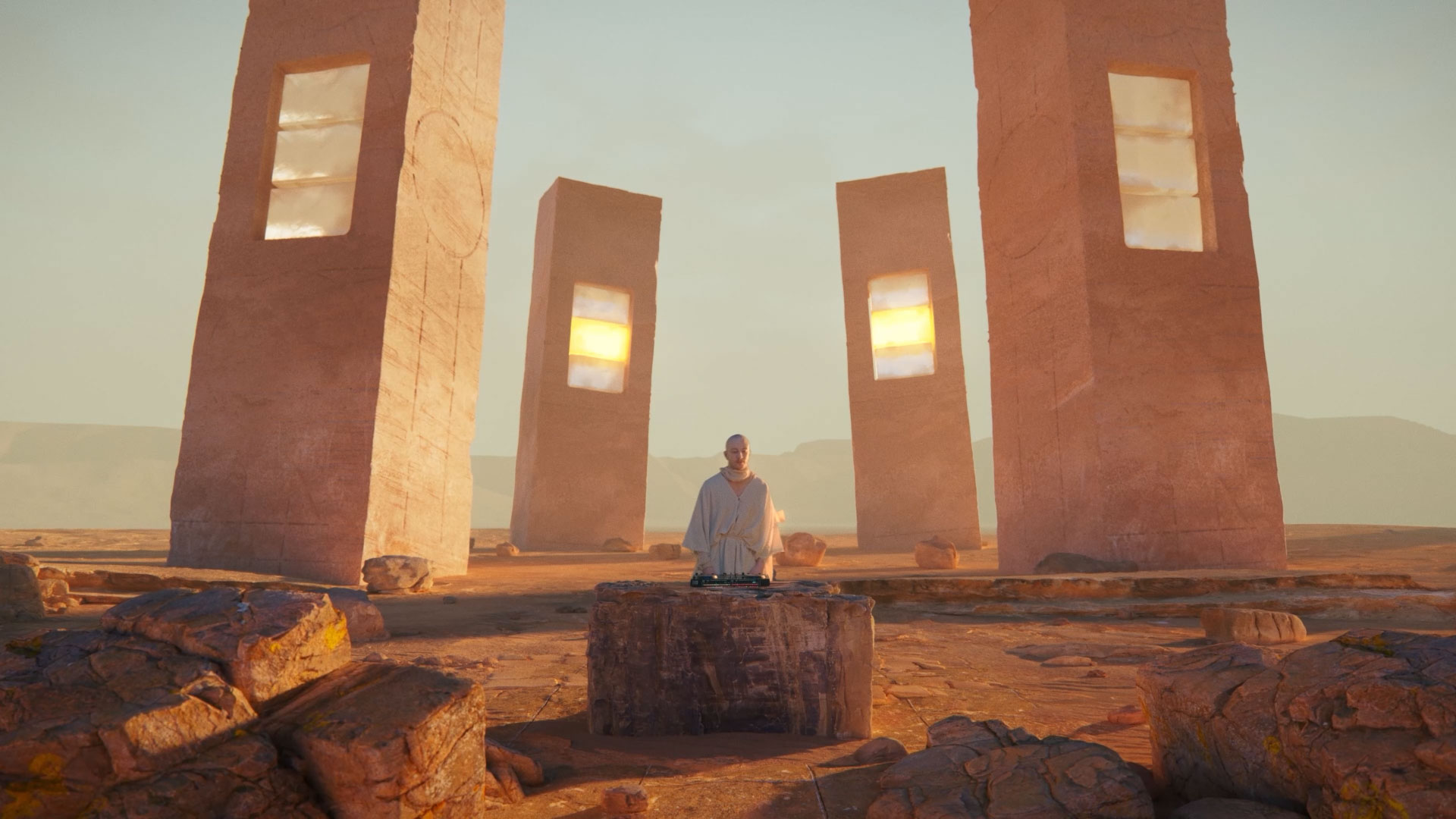
DJ SET VFX
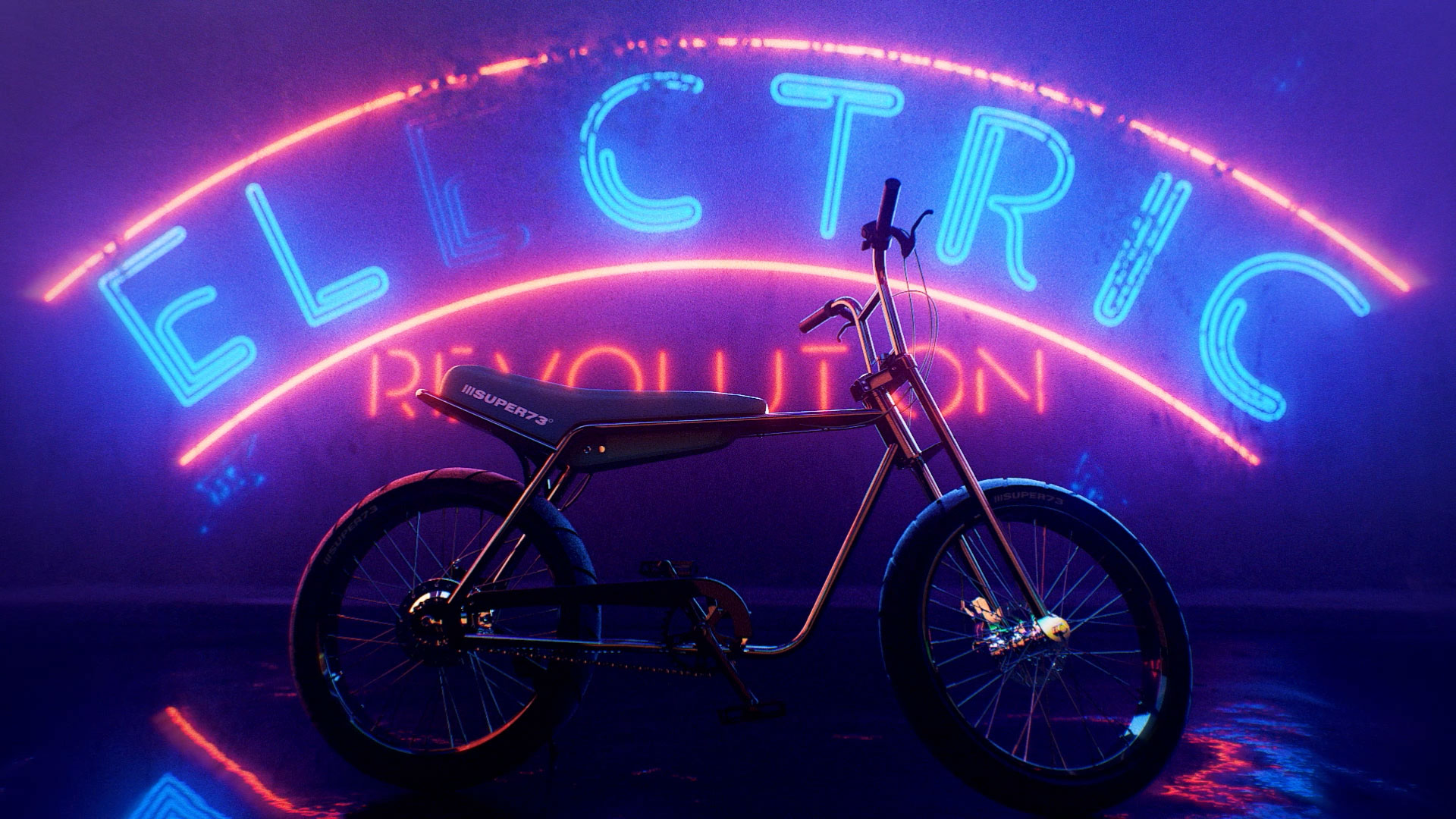
SUPER 73
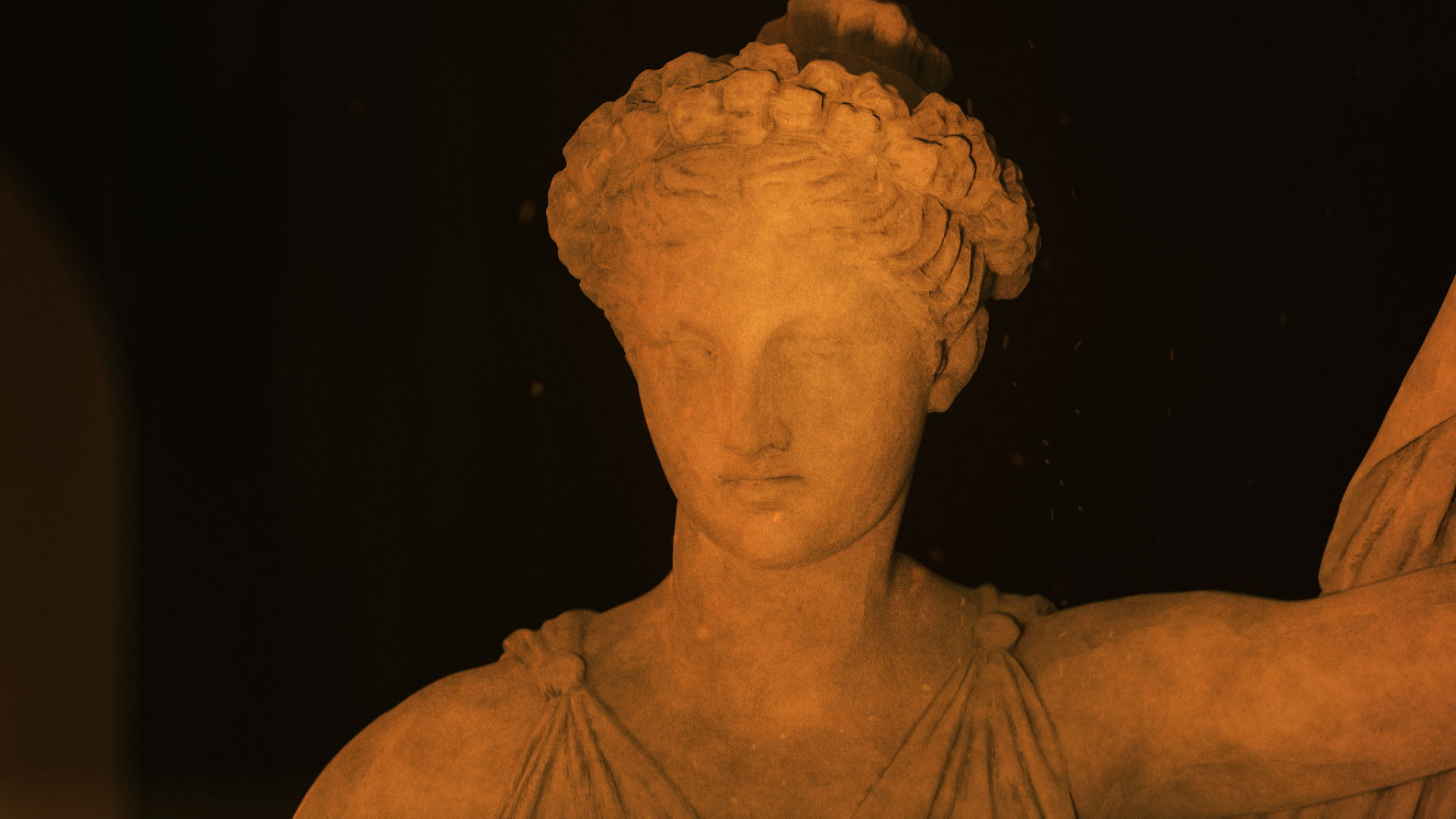
EY Entrepreneur Of The Year
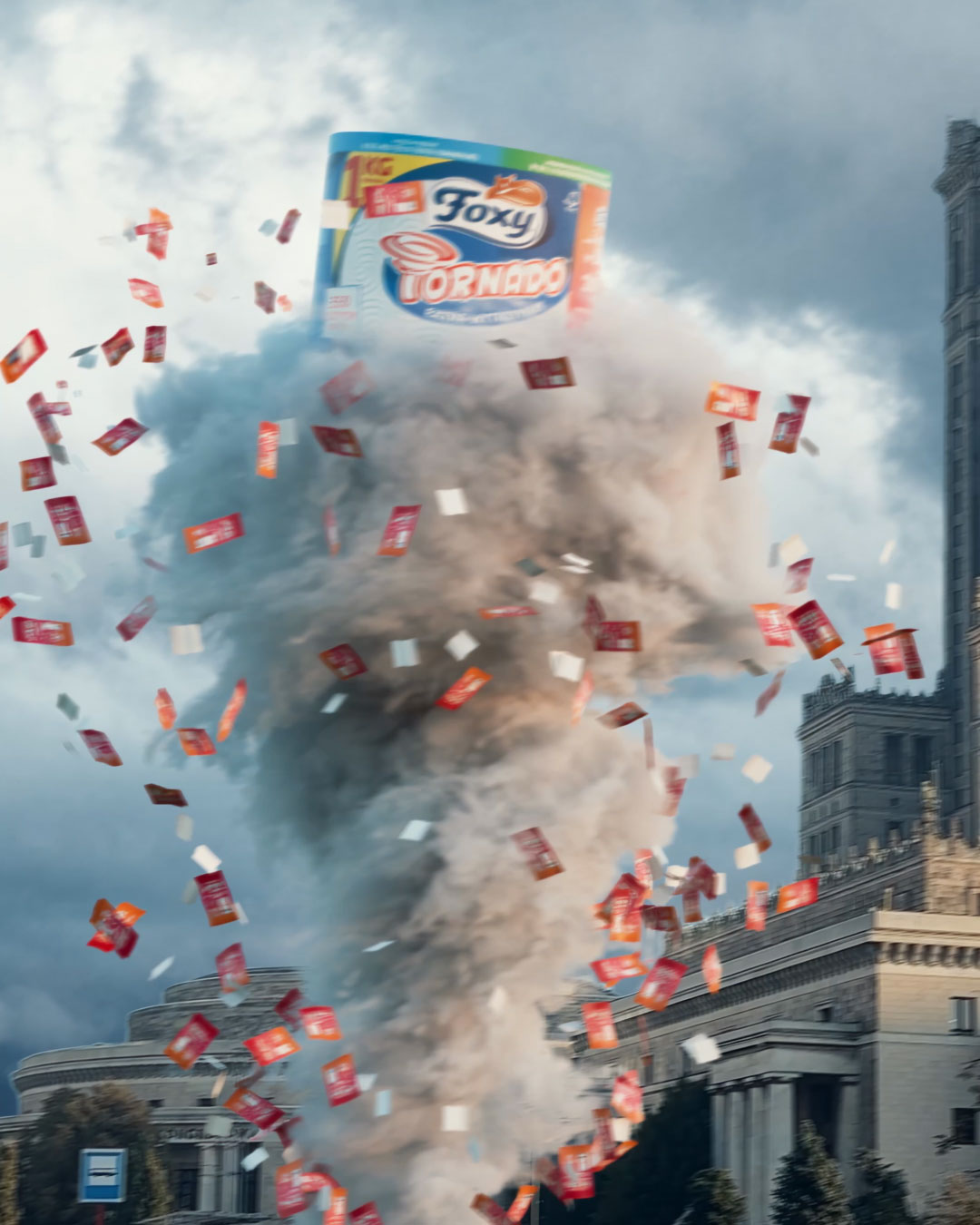
FOXY
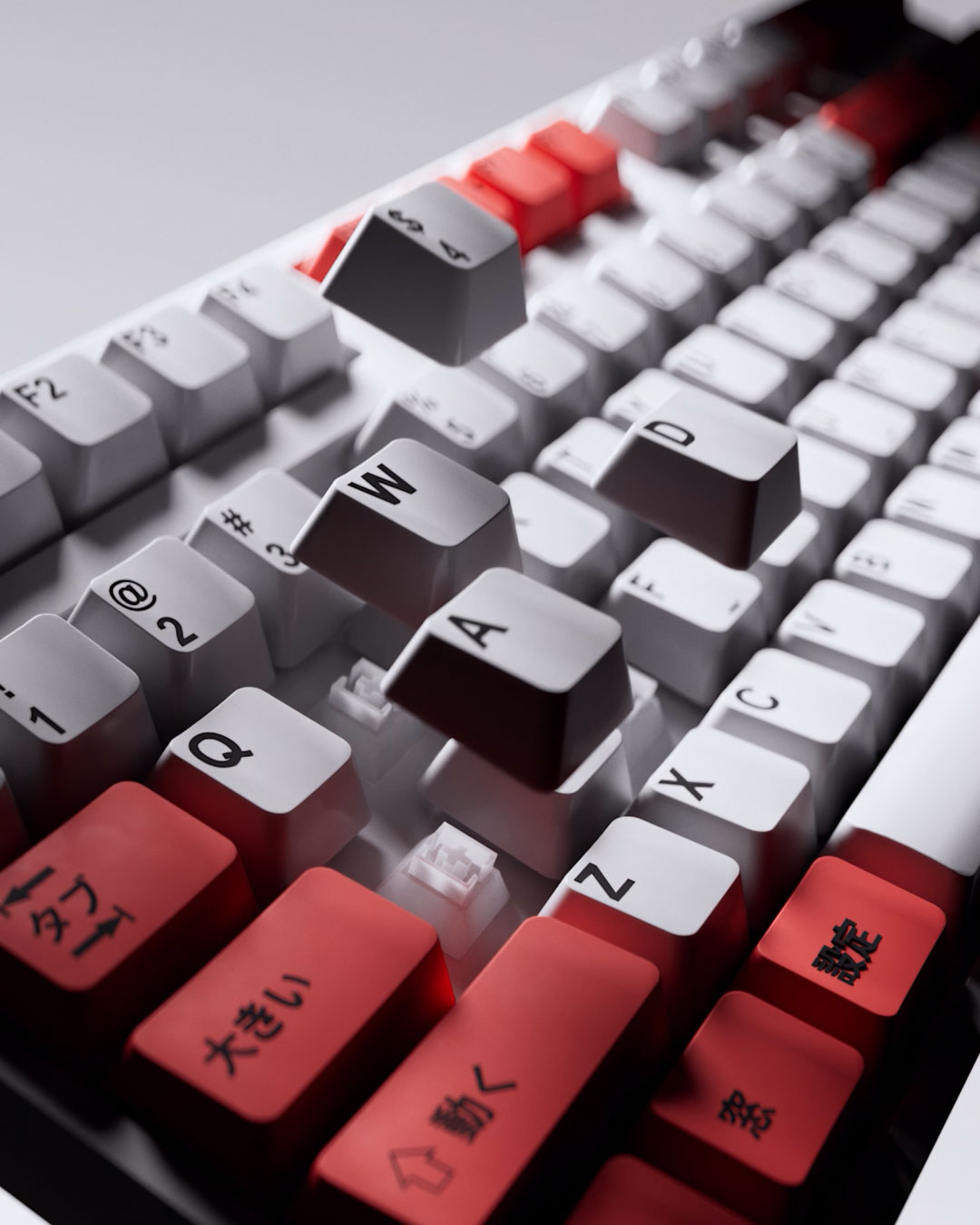
GAMING SET
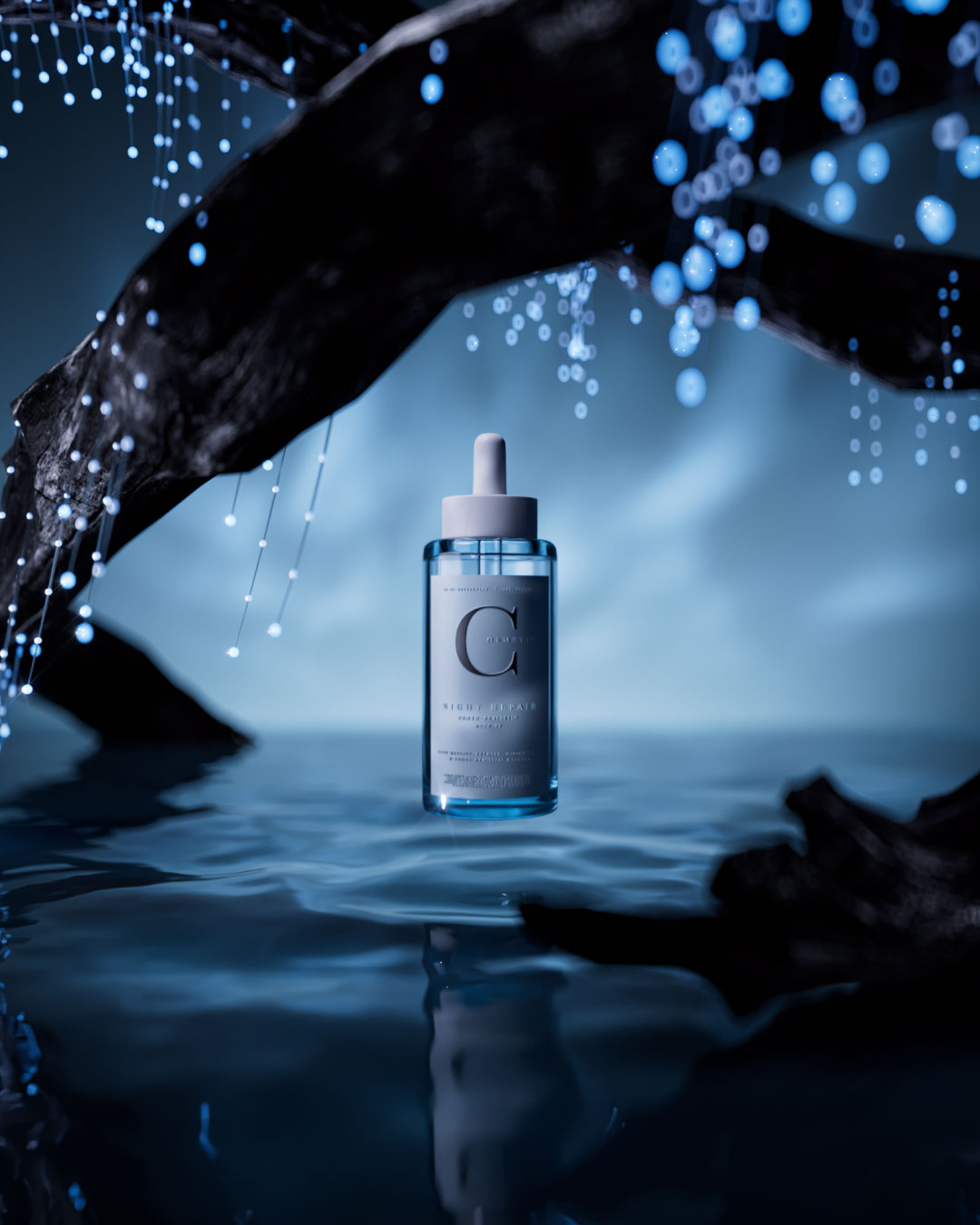
SERUM
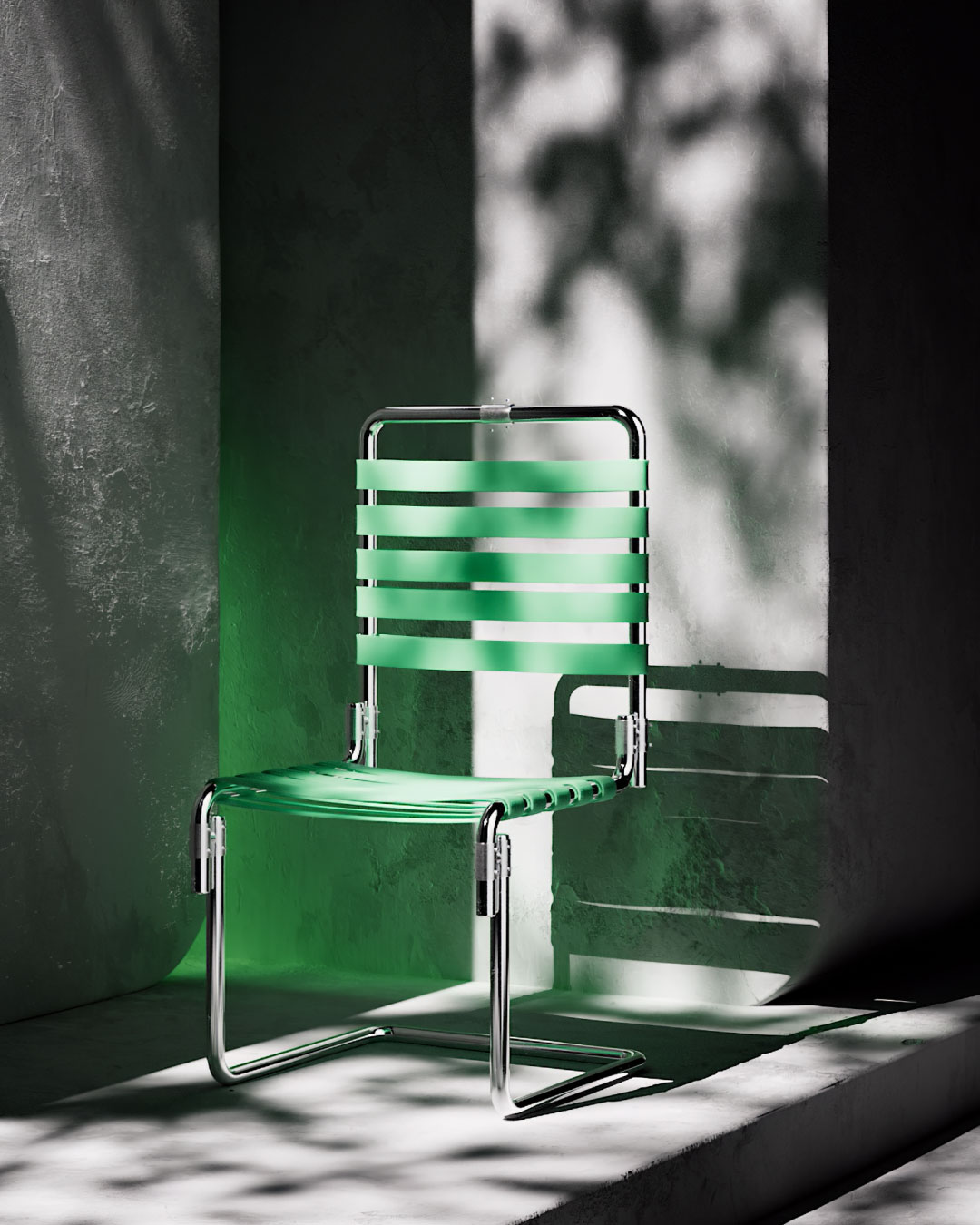
DESIGNER CHAIR